
Open 11 am - 4 pm

Tide Pool
Interactive Tide Pool Touch Tank in Citrus County
Explore the Wonders of the Pacific Coast
Discover a world that appears where land and ocean meet. Our Tide Pool Touch Tank brings a closer look at the invertebrates found along rocky Pacific coastlines to Mertailor's Mermaid Aquarium Encounter.
Inspired by the tide pools of California and Oregon, this hands-on exhibit introduces guests to small but remarkable animals adapted to changing water levels, waves, exposed rock, and life along the shore.
Look closely before you touch. Tide pools are full of animals that use texture, color, spines, shells, and camouflage to survive in one of the coast's most changeable environments.
A Hands-On Learning Experience
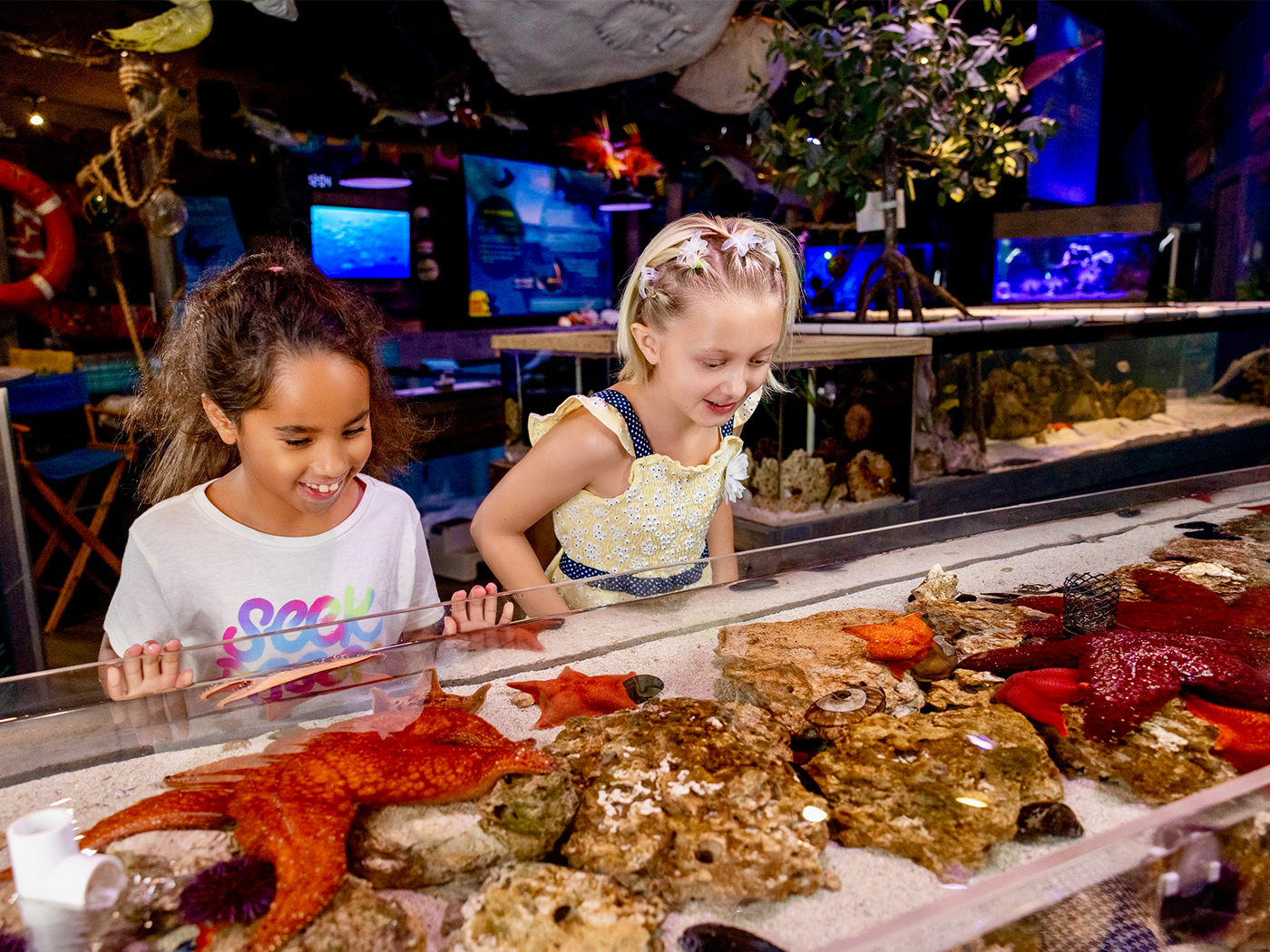
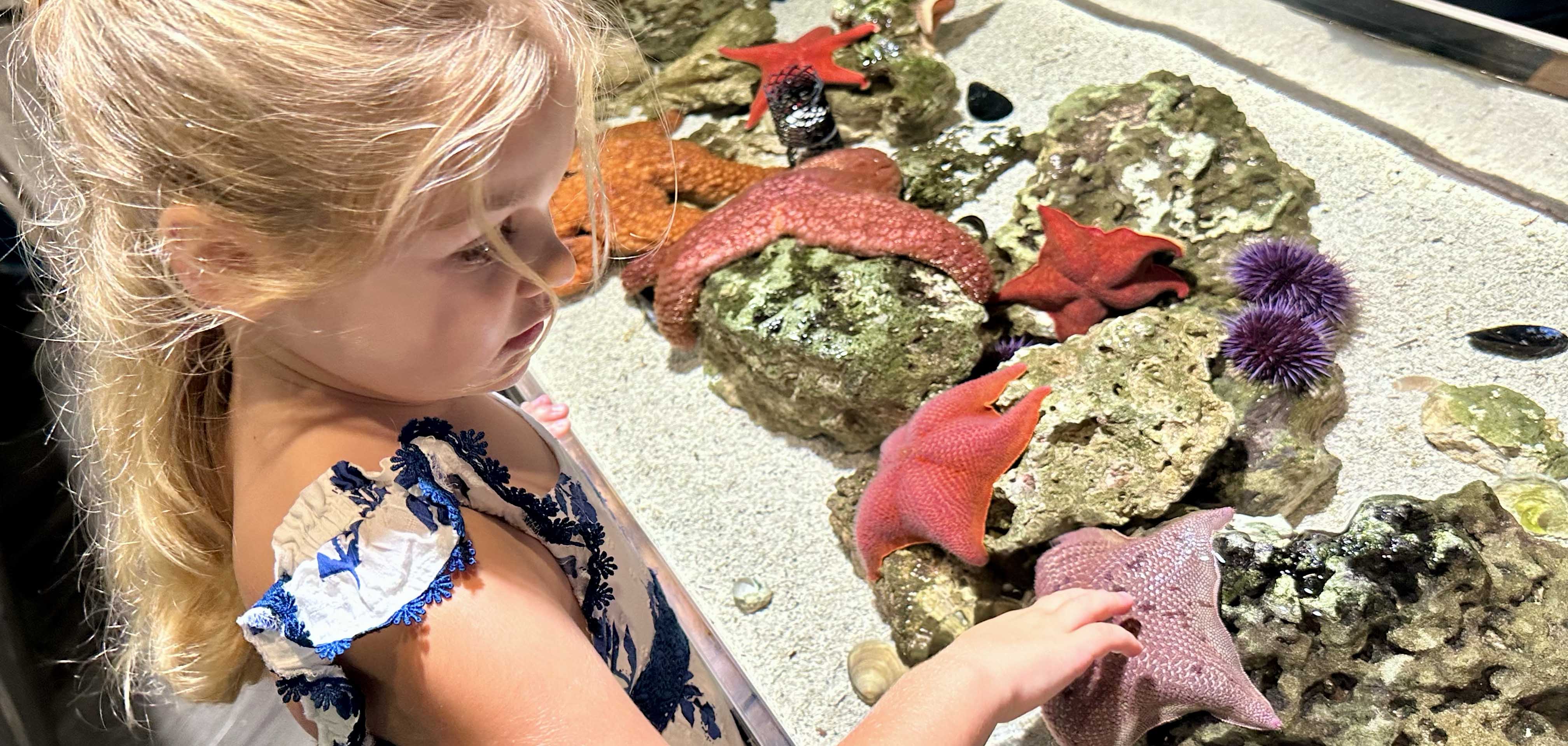
Before stepping up to the exhibit, guests are asked to wash their hands to help protect the animals. From there, our team guides visitors through a gentle, supervised interaction with the Tide Pool residents.
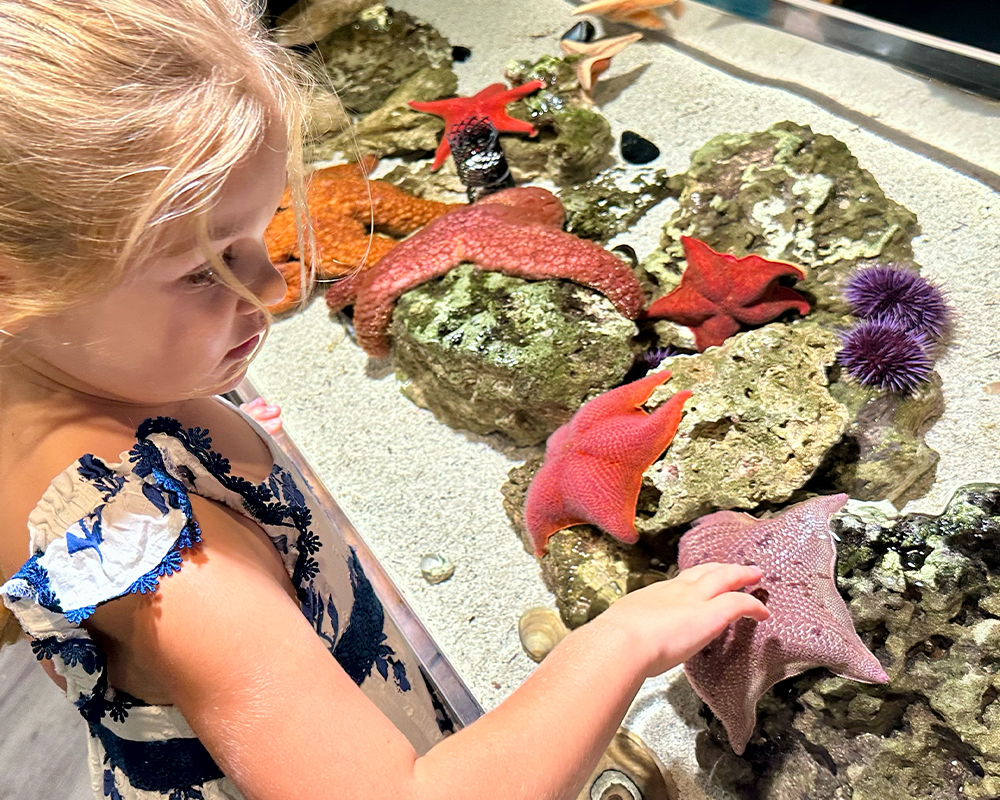
- Touch gently: Experience the different textures of sea stars, sea urchins, and other approved Tide Pool residents.
- Look for adaptations: Discover how spines, tube feet, shells, camouflage, and other features help animals survive.
- Ask questions: Our team can help guests understand what they are seeing and why these small animals matter.
Meet the Residents of the Tide Pool
The animals found in tide pools may be small, but each one is highly adapted to life at the edge of the ocean. The exact mix of animals in our exhibit can change over time.
Sea Stars
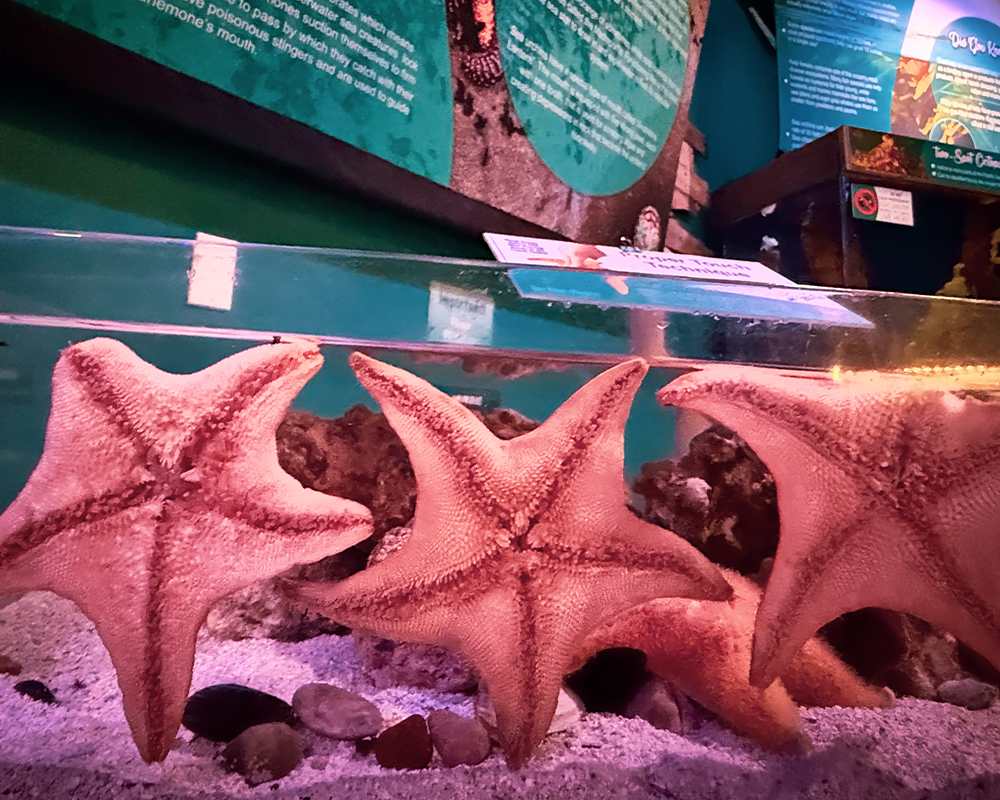
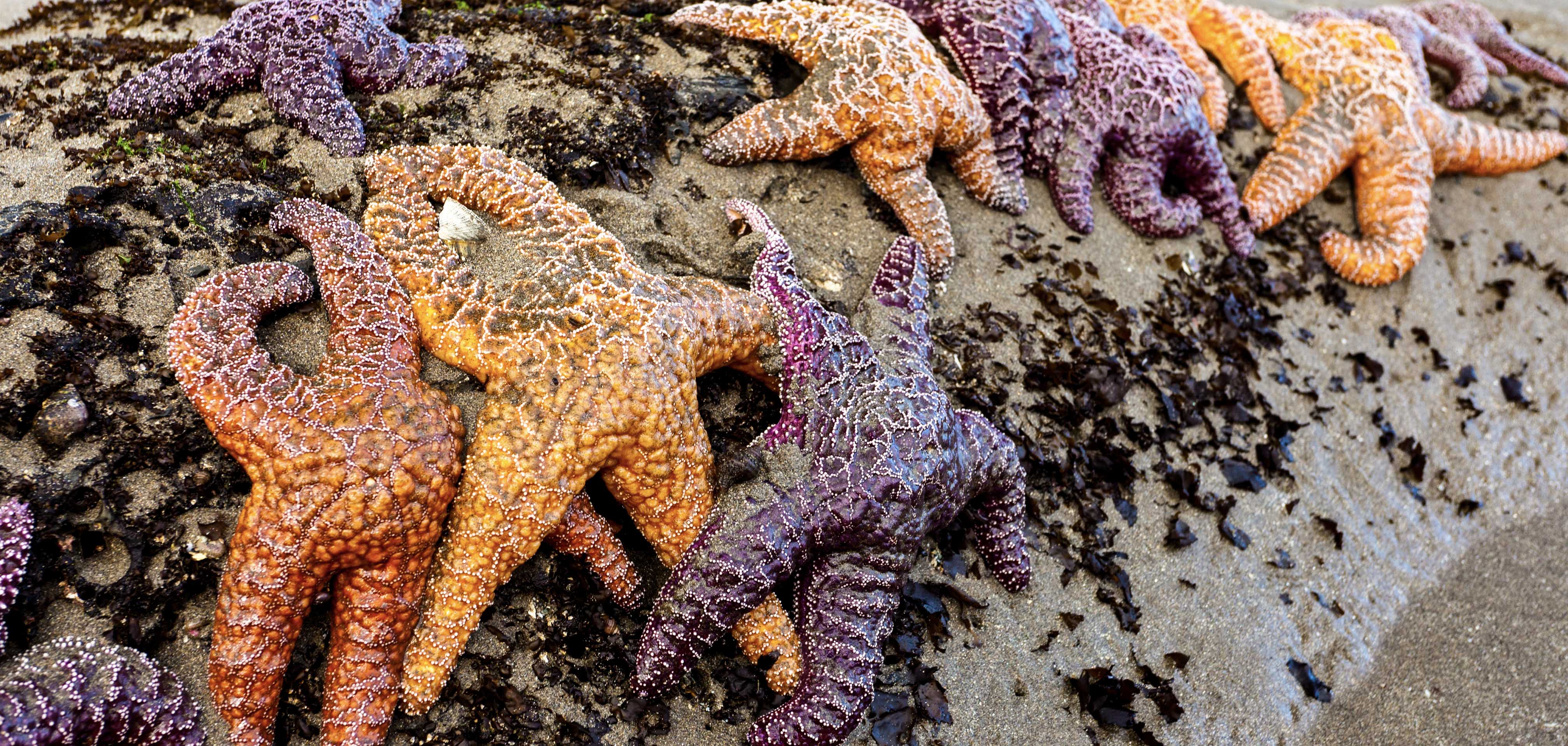
From brightly colored species to animals that blend into rocky surroundings, sea stars use hundreds of tube feet to move, grip surfaces, and interact with their environment.
Sea Urchins
Covered in movable spines, sea urchins are fascinating grazers that play an important role in many rocky coastal ecosystems.
Anemones
These flower-like animals are actually invertebrate predators, using specialized tentacles to capture food and respond to their surroundings.
Other Invertebrates
Depending on the collection, guests may also discover snails, crabs, and other tide pool animals with their own remarkable adaptations.
Built for a Changing World
A natural tide pool can change dramatically in only a few hours. When the tide moves out, animals may face warmer temperatures, stronger sunlight, changing salinity, crashing waves, or temporary exposure to air.
The animals that live there have developed remarkable ways to hold onto rocks, conserve moisture, hide from predators, search for food, and survive until the water returns.
- Strong attachment to rocks and other surfaces
- Protective shells, spines, and body structures
- Camouflage and hiding behaviors
- Specialized feeding strategies
Small Animals, Big Lessons
Tide pools make it possible to explore larger ideas about marine life through animals guests can observe from only inches away.
Adaptation
Every shape, texture, spine, shell, and behavior tells part of the story of how an animal survives in its environment.
Interconnection
Even a small tide pool contains predators, grazers, scavengers, and prey that form a connected coastal community.
Respect for Wildlife
A supervised aquarium interaction can help guests appreciate animals that should be observed respectfully and left undisturbed in nature.
The Conservation Connection
Tide pools may occupy a small strip of shoreline, but they provide important habitat for invertebrates and other coastal life. They can serve as feeding areas, shelter, and places where young animals develop.
At the Aquarium
Our supervised Tide Pool allows guests to experience selected animals closely while learning how to interact gently and responsibly.
In the Wild: Look, Don't Disturb
Wild tide pool animals should be left where they are. Avoid removing animals, pulling them from rocks, moving them for photographs, or disturbing the habitat around them. Protecting the place they live is part of protecting the animal itself.
Tide Pool Questions
Can guests touch the Tide Pool animals?
Yes. This is a supervised touch exhibit. Guests should wash their hands first and follow staff instructions for gentle interaction with approved animals.
What animals might we see?
The exhibit may include sea stars, sea urchins, anemones, snails, crabs, and other invertebrates. The exact collection may change.
Why do we wash our hands first?
Handwashing helps protect the animals before guests participate in the touch experience.
Is the Tide Pool good for children?
The hands-on format is designed for curious guests of many ages, including families and children who enjoy learning through close observation and touch.
Should we touch tide pool animals in nature?
No. The supervised aquarium experience is different from encountering wildlife. In natural tide pools, animals and their habitats should be left undisturbed.
Where is the aquarium located?
Mertailor's Mermaid Aquarium Encounter is located at 4100 W Gulf to Lake Hwy, Lecanto, FL 34461, in Citrus County near Crystal River.
Get Hands-On at the Tide Pool
Explore the textures, adaptations, and surprising diversity of tide pool life during your visit to Mertailor's Mermaid Aquarium Encounter.
Plan Your VisitTide Pool Touch Exhibit - Explore the Wonders of the Pacific Coast — Right Here in Citrus County
At Mertailor’s Mermaid Aquarium Encounter, our Tide Pool Touch Tank brings the rugged beauty of the Pacific, California, and Oregon coastlines to life. Discover the incredible diversity of invertebrates that thrive in the shallow tide pools where land and ocean meet. This fully interactive exhibit is designed for curious minds of all ages — a chance to see, touch, and learn about the small but mighty creatures that keep our oceans healthy.
A Hands-On Learning Experience
Before stepping up to the exhibit, visitors will be asked to wash their hands to protect our animals. Then, under the guidance of our staff and mermaids, you’ll have the chance to:
-
Gently touch sea stars, urchins, and other tide pool residents
-
Learn about their unique defenses, feeding strategies, and adaptations
-
Ask questions and get fun facts from our knowledgeable team
Meet the Residents of the Tide Pool
- Sea Stars – From brightly colored species to camouflaged masters of the rocks.
-
Sea Urchins – Spiny but fascinating, these grazers help maintain balance in the ocean’s ecosystems.
-
Anemones – Delicate, flower-like animals that reveal their hidden beauty when touched gently.
-
Other Invertebrates – A rotating mix of snails, crabs, and other fascinating tide pool life.
Each species in our Tide Pool has an important story to tell about adaptation, survival, and the delicate balance of the marine environment.