

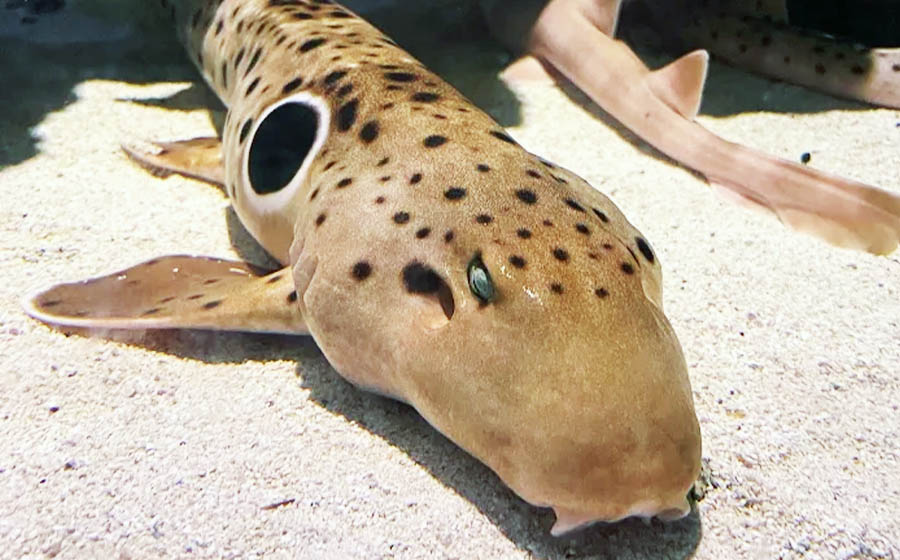
Epaulette Shark
Epaulette sharks use their muscular fins to move across the seafloor, creating the appearance that they are walking.
Shark exhibits in Citrus County, Florida
Meet some of the ocean's most fascinating and misunderstood animals at our indoor aquarium near Crystal River, Florida.
At Mertailor's Mermaid Aquarium Encounter, guests can observe several shark species while learning how sharks move, feed, rest, reproduce, and help maintain healthy aquatic ecosystems. Our goal is to replace fear with curiosity and give every visitor a better understanding of these remarkable animals.
Every shark has a story. Several sharks in our care were rehomed from individuals in Florida who could no longer provide the specialized space, filtration, diet, and long-term care these animals require.
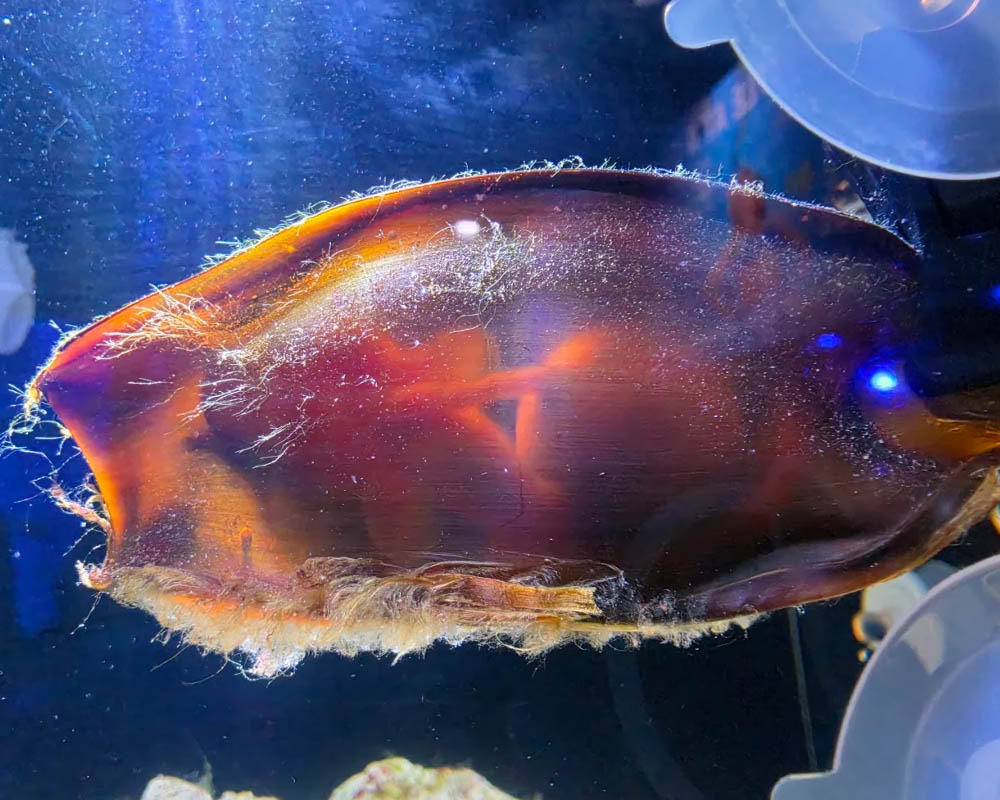
Other sharks were bred and hatched right here at Mertailor's Mermaid Aquarium Encounter. Through careful observation and recordkeeping, our team follows their development from egg to pup and continues learning from each animal as it grows.
Sharks are important members of aquatic ecosystems. Different species fill different roles, but together they influence food webs, animal behavior, and the balance of marine communities.
Sharks help shape marine food webs by feeding on different animals and influencing where other species move and gather.
Many sharks are small, secretive, bottom-dwelling, or active at night. Meeting them in person helps guests see beyond the frightening image often shown in movies and television.
Learning how sharks live helps people better understand why responsible fishing, habitat protection, and thoughtful animal care matter.
Our collection includes sharks with very different body shapes, behaviors, habitats, and natural histories. Species and individual visibility may vary during your visit because each animal chooses where to rest or swim within its habitat.
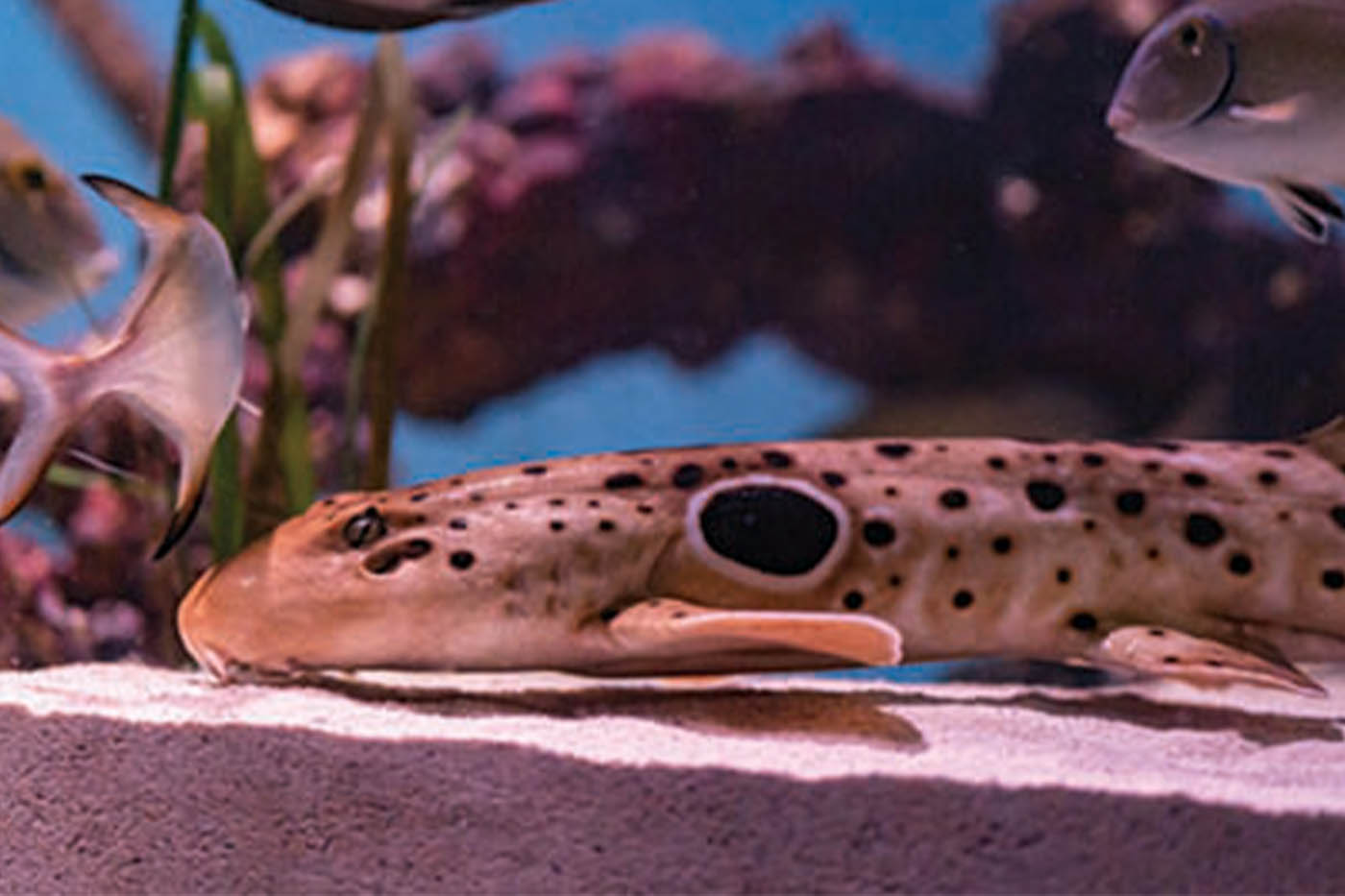
Epaulette sharks use their muscular fins to move across the seafloor, creating the appearance that they are walking.
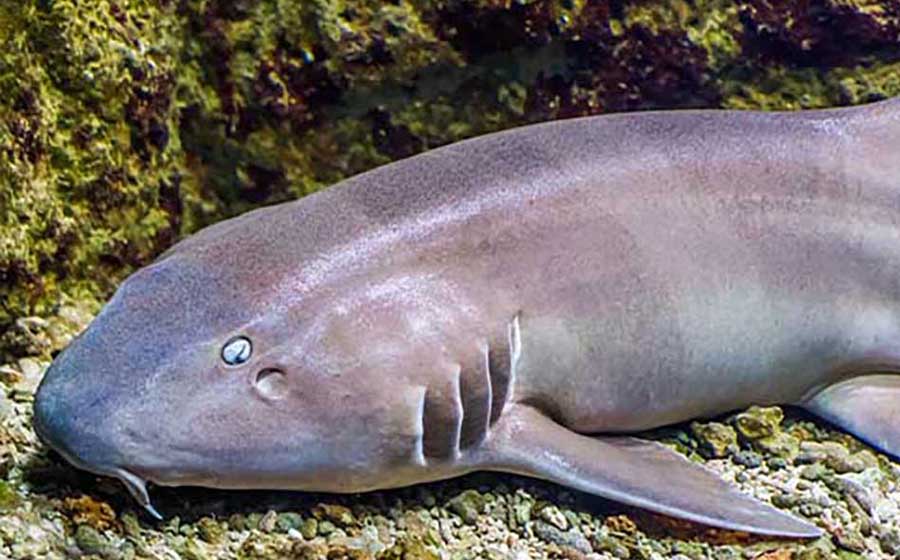
This smaller bottom-dwelling shark is often seen resting on sand or beneath habitat structures during the day.
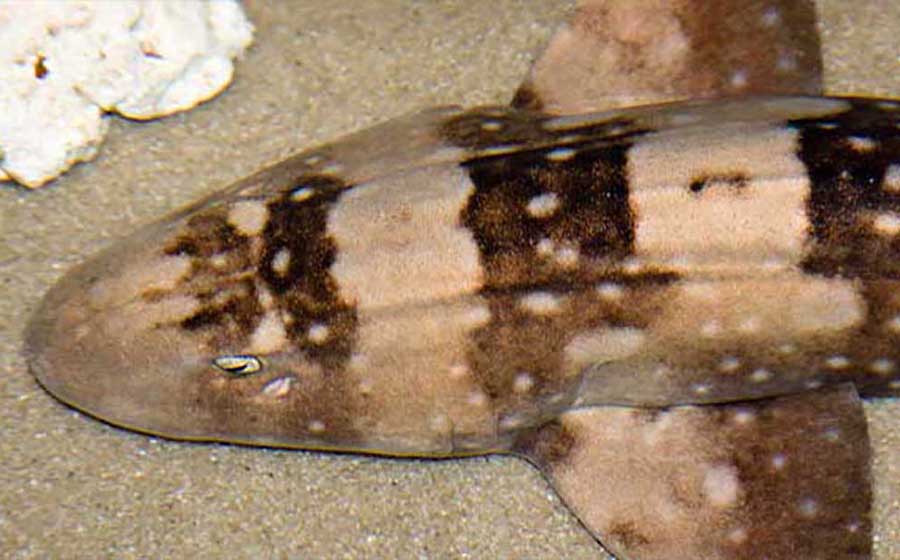
Its dark body is patterned with distinct pale spots, helping distinguish it from other bamboo shark species.
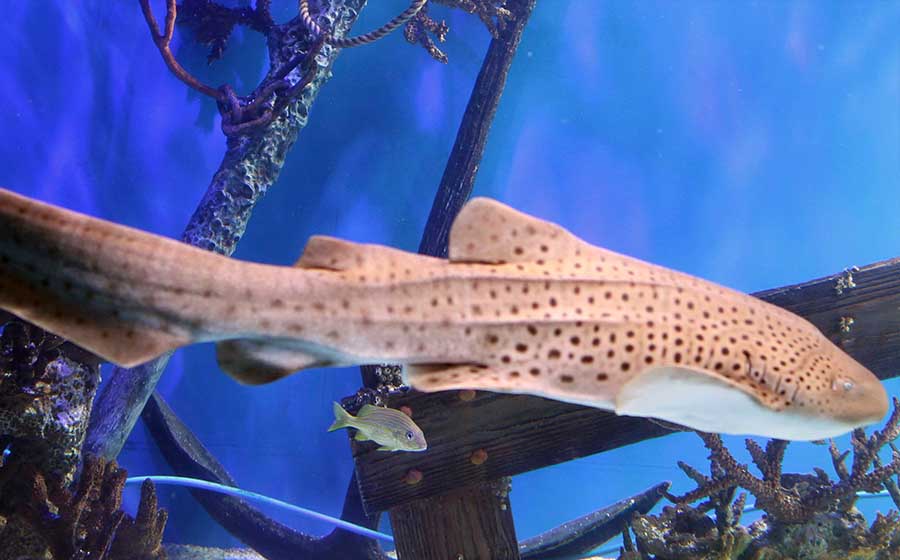
Young zebra sharks are striped, but their pattern changes dramatically as they mature, leaving adults covered in dark spots.
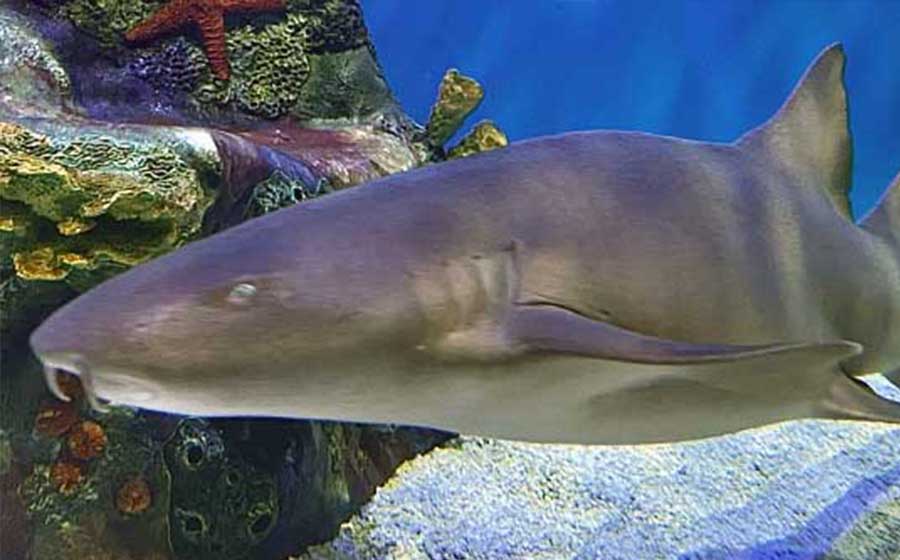
Nurse sharks are powerful bottom-dwellers that use suction and strong jaws to capture prey hidden along reefs and the seafloor.
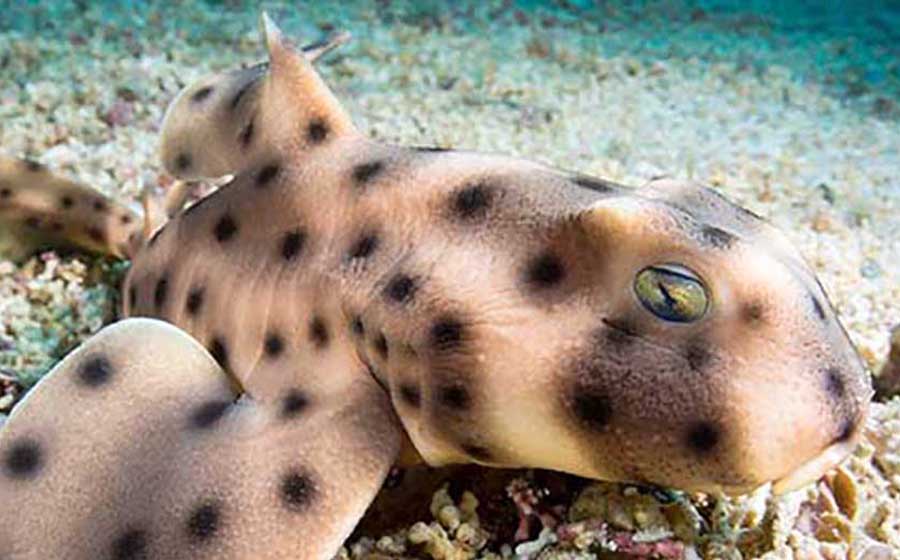
Horn sharks are small Pacific sharks with blunt heads and defensive spines positioned in front of their dorsal fins.
Shark reproduction gives our guests a rare opportunity to see that not every shark begins life the same way. Several species in our collection lay eggs, allowing our team to monitor development before a pup hatches.
Egg cases are observed closely so our aquarists can follow development, check condition, and document important changes.
Newly hatched pups receive age-appropriate habitats, feeding, and observation while they grow stronger and more independent.
Breeding decisions require preparation for adult size, habitat needs, genetics, placement, and the animal's lifelong care.
Records and observations can help strengthen husbandry knowledge and support future collaboration with other qualified facilities.
Make your aquarium visit even more memorable with a shark feeding add-on when available.
Watch how a shark locates and takes food while learning why species, size, health, and behavior all influence an aquarist's feeding plan.
Shark feeding availability may vary by day, animal needs, and operational conditions. Ask a team member about current opportunities during your visit.
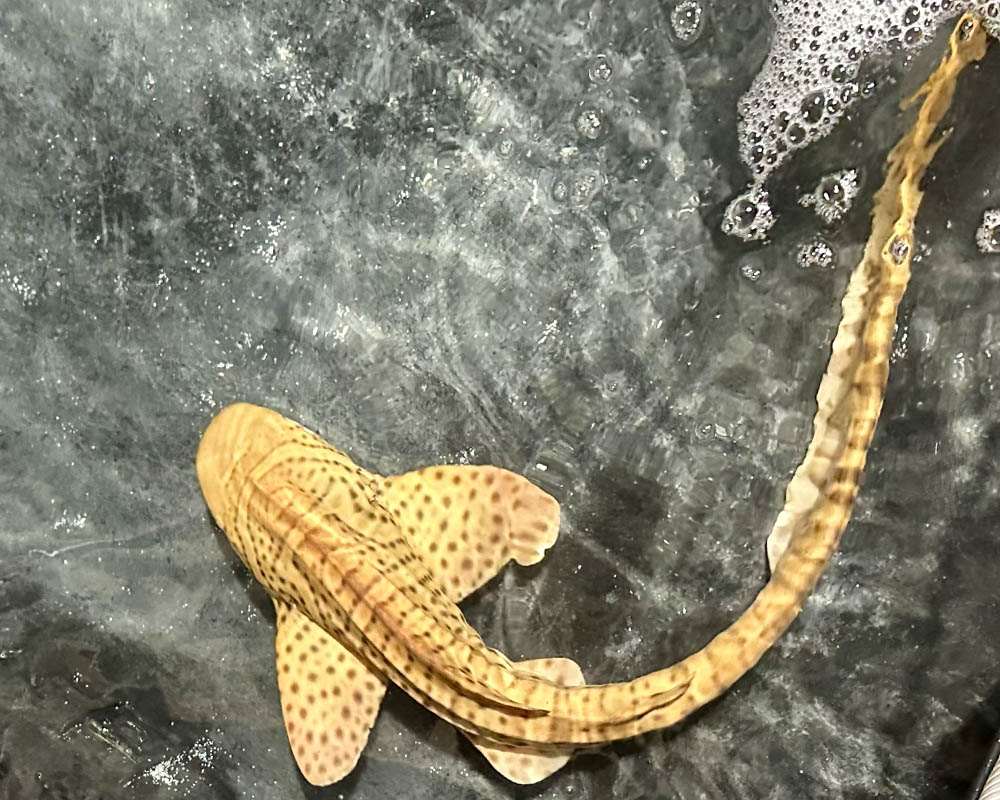
Caring for sharks involves much more than filling a tank and providing food. Our aquarists monitor water quality, filtration, appetite, body condition, behavior, habitat use, growth, and interactions with other animals.
Species may include nurse sharks, zebra sharks, epaulette sharks, brownbanded bamboo sharks, whitespotted bamboo sharks, and horn sharks.
Yes. We have successfully bred and hatched sharks at Mertailor's Mermaid Aquarium Encounter and continue monitoring their development as they grow.
Yes. Several sharks came to us after private individuals could no longer provide the specialized long-term care they required.
A shark feeding add-on may be available during your visit. Ask our team about current options when you arrive.
The shark habitats are part of the aquarium experience. Optional feeding activities may require an additional purchase.
Not necessarily. Some shark species naturally spend long periods resting, especially during the day, while others may be more active around feeding times.
Mertailor's Mermaid Aquarium Encounter is located at 4100 W Gulf to Lake Hwy, Lecanto, FL 34461, in Citrus County near Crystal River.
Our professional performers and aquarium team follow established training, animal-awareness, and operational procedures while working in the shared habitat.
Plan a visit to Mertailor's Mermaid Aquarium Encounter and discover sharks, rays, touch tanks, marine exhibits, and live underwater mermaid shows in one indoor Citrus County attraction.
Mertailor's Mermaid Aquarium Encounter
4100 W Gulf to Lake Hwy, Lecanto, FL 34461